The Keto and BHB Guide: Diet, Ketosis and Exogenous Ketones
Written by the Retride editorial team
Last updated · Who reviewed this page · How we write and review
A keto diet gets about 70-80% of calories from fat and 5-10% from carbs, which pushes the body into ketosis. BHB salts are ketones bound to minerals. Studies used 5-30 g a day and still found no added weight loss over placebo, and supplements do not create ketosis on their own. Keto flu is common early; ketoacidosis is an emergency.
What is the ketogenic diet? The Retride guide's plain definition
The ketogenic diet is a very high-fat, very low-carb way of eating. Keto plans usually get 70-80% of calories from fat, 10-20% from protein and only 5-10% from carbs (Harvard Nutrition Source, 2025).
With so few carbs, the body runs short of sugar for fuel. It then burns more fat and makes ketones, a state called ketosis (Cleveland Clinic, 2022).
On a 2,000-calorie day, 5-10% of calories is about 100-200 calories from carbs. That is far less than most people eat, which is why keto feels like a big change.
What can you eat on a keto diet?
Keto meals are built from fats, proteins and low-carb vegetables. Starchy and sugary foods are cut back hard.
The table sorts common foods into three groups. It is a starting point, not a medical meal plan.
| Group | Examples | Why |
|---|---|---|
| Eat often | Meat, fish, eggs, cheese, olive oil, butter, avocado | High in fat or protein, very low in carbs |
| Eat often | Leafy greens, broccoli, cauliflower, zucchini, peppers | Fiber and volume with few carbs |
| Small portions | Nuts, seeds, berries, plain full-fat yogurt | Some carbs add up fast |
| Cut back hard | Bread, pasta, rice, potatoes, cereal | Starchy carbs |
| Cut back hard | Sugar, sweets, juice, soda, most fruit | Sugary carbs |
| Drinks | Water, plain tea, black coffee | No carbs, and water helps with keto flu |
How the Retride label's 70/25/5 ratio compares with typical keto
The Retride label suggests 70% fat, 25% protein and 5% carbs “for best results in achieving ketosis.” Its protein share is higher than a typical keto plan.
Harvard describes typical keto as 10-20% protein (Harvard Nutrition Source, 2025). The label's carb share sits at the strict, low end of the usual range.
| Macro | Retride label tip | Typical keto diet |
|---|---|---|
| Fat | 70% of calories | 70-80% |
| Protein | 25% of calories | 10-20% |
| Carbs | 5% of calories | 5-10% |
Neither split is a medical prescription. A dietitian can adjust the numbers for your age, activity and health.
What are BHB and BHB salts?
BHB (beta-hydroxybutyrate) is one of the main ketones your liver makes in ketosis. A BHB salt is that same molecule bound to a mineral such as magnesium, calcium or sodium.
Because the BHB comes from outside the body, BHB salts and ketone esters are called exogenous ketones. Esters bind BHB to an alcohol instead of a mineral.

Magnesium BHB
BHB bound to magnesium. One of three salts in the Retride blend.
Calcium BHB
BHB bound to calcium. Its share of the blend is not published.

Sodium BHB
BHB bound to sodium. Large salt doses carry a lot of sodium.
The photos are illustrations of white powders, not lab images of the actual salts in any bottle.
Do BHB supplements put you in ketosis?
No. A Cleveland Clinic dietitian says keto supplements do not put you in ketosis by themselves and do not replace a keto diet (Cleveland Clinic, 2023). Ketosis comes from cutting carbs.
Large BHB salt doses do raise blood ketones for a while. Drinks with about 12-24 g of BHB from salts lifted blood BHB to about 1.0 mM, well below the same dose as a ketone ester (Stubbs et al., 2017).
Higher ketones in the blood are not the same as burning more body fat. Across 43 short trials, ketone drinks raised BHB and slightly lowered blood sugar, with esters working better than salts (Falkenhain et al., 2022).
How much BHB did human studies use?
Human BHB salt studies used grams, not milligrams. Doses ran from about 5 g to 30 g of BHB per dose or per day (GSSI, 2022).
Even the larger doses did not add weight loss over placebo. The table lists the main trials next to the Retride blend.
| Study | BHB salt dose | What it found |
|---|---|---|
| Roeth 2025 (Roeth et al., 2025) | About 10 g a day for 8 weeks | No significant body-composition difference vs placebo |
| Buga 2021 (Buga et al., 2021) | About 24 g a day for 6 weeks | No extra weight or fat loss on a keto diet |
| Stubbs 2017 (Stubbs et al., 2017) | About 12-24 g per drink | Blood BHB near 1.0 mM, less than esters |
| Clark 2021 (Clark et al., 2021) | 0.3 g per kg of body weight | Ketones rose; cycling did not improve |
| Retride label | 60 mg blend a day, minerals included | No study of the formula |
That makes the whole Retride blend roughly 1/80 to 1/500 of the study amounts. The BHB dose post walks through each trial.
Keto flu: what it is and how to ease it
Keto flu is a group of symptoms some people get when they first cut carbs. Headaches, tiredness, cramps and an upset stomach can last about one to two weeks (Cleveland Clinic, 2026).
It comes from the diet change, not from a capsule. These steps follow the Cleveland Clinic advice on water and electrolytes.
- 1
Plan the switch
Pick a calm week to start, not one packed with travel or hard workouts.
- 2
Drink more water
Keep a water bottle close and sip through the day.
- 3
Mind electrolytes
Ask your doctor how to get enough sodium, potassium and magnesium, especially if you take medicine.
- 4
Rest and go easy
Sleep well and keep exercise light for the first days.
- 5
Check in
If symptoms are severe or last past two weeks, call your doctor.
Ketosis vs ketoacidosis: why the difference matters
Ketosis is normal fat burning when carbs are low. Diabetic ketoacidosis (DKA) is a life-threatening emergency, with very high ketones and acid in the blood (Cleveland Clinic, 2022).
Ketones on a keto diet are usually not high enough to be ketoacidosis. It can still happen, so people with diabetes should check with a provider (MedlinePlus, 2025).
The body burns more fat for fuel because carbs are low. Ketones rise modestly.
Ketones and blood acid climb very high. It needs emergency care.
A blood ketone test shows the level. Your provider explains what it means for you.
Is keto better than other diets for weight loss?
Keto gives at most a small edge. A meta-analysis of 13 trials found keto dieters lost about 0.9 kg more than low-fat dieters after a year or more (Bueno et al., 2013).
Harvard adds that after one year, keto results are not much different from other weight-loss diets (Harvard Nutrition Source, 2025). The diet you can keep up matters more than the label on it.
Pros
- Clear rules that some people find easy to follow
- Cuts sweets and sweet drinks
- Meals with protein and fat can feel filling
Cons
- Keto flu in the first weeks
- Hard to keep up with family meals and eating out
- Cuts whole grains, beans and most fruit
- Can change how some medicines act
Do you need supplements on keto? Where Retride fits
No supplement is needed to follow a keto diet. NIH reviewers find evidence for most weight-loss supplement ingredients limited, with diet and activity as the base (NIH ODS, n.d.).
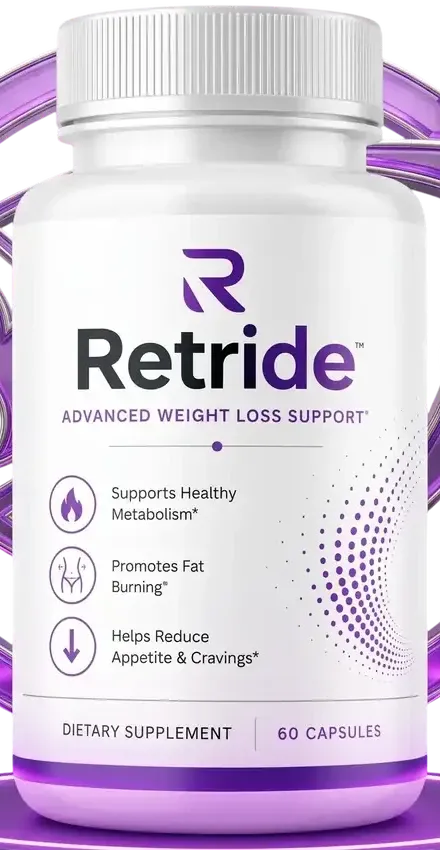
Retride is a BHB salt supplement with a 60 mg blend per two capsules. At that size, it cannot match the gram doses in the trials above.
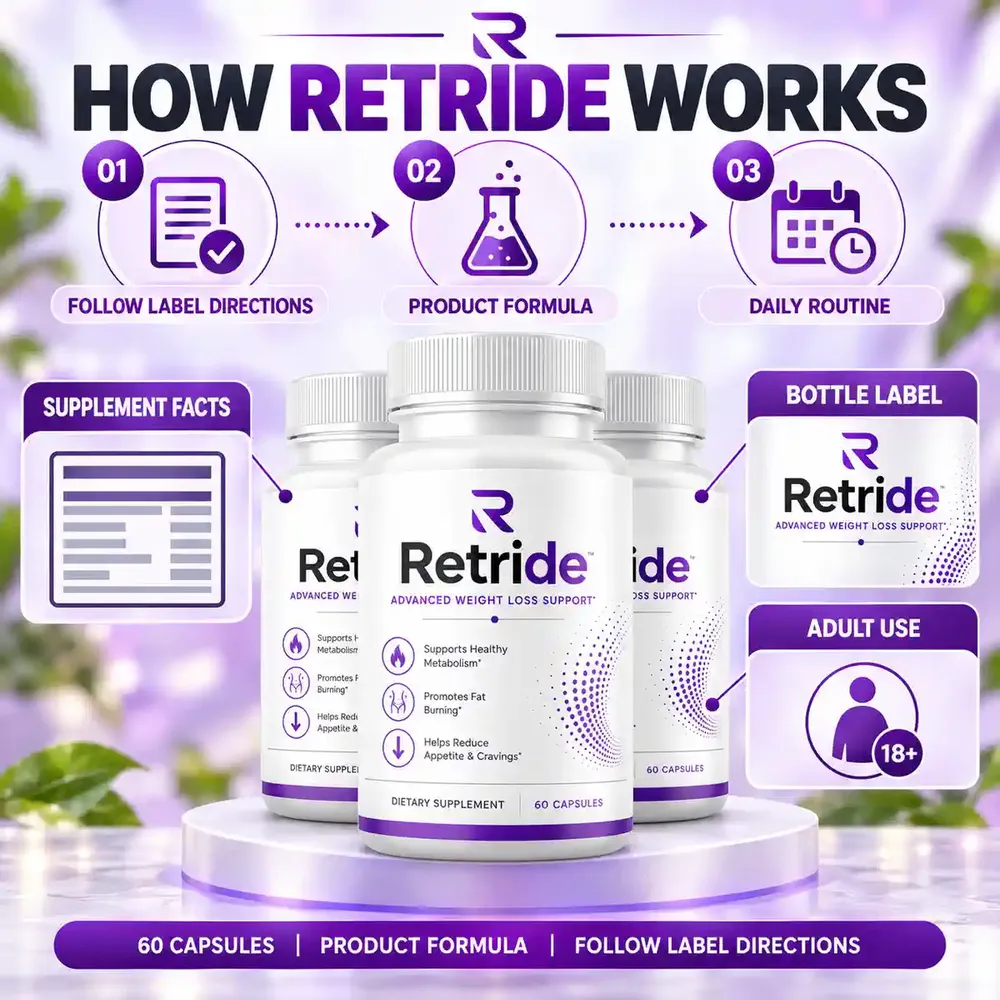
If you still want to try it, the label says two capsules a day with an 8 oz glass of water. It is for adults 18 and over.
Before you buy any keto pill, run it through the buyer’s checklist. The keto pills without keto post covers what happens if you skip the diet.
Keto diet and BHB: common questions
Questions people type into Google and Bing, answered from the label and the sources on this page.
What is the ketogenic diet?
It is a very high-fat, very low-carb way of eating. Keto diets usually get 70-80% of calories from fat, 10-20% from protein and 5-10% from carbs (Harvard Nutrition Source, 2025).
What can you eat on a keto diet?
Meals center on meat, fish, eggs, cheese, butter, oils, nuts, seeds and leafy or other non-starchy vegetables. Bread, pasta, rice, sugar, sweet drinks and most fruit are cut back hard.
How many carbs can you eat on keto?
Typical keto plans keep carbs to about 5-10% of daily calories. On a 2,000-calorie day, that is roughly 100-200 calories from carbs.
What are the risks of a keto diet?
Early on, many people get keto flu: headaches, tiredness, cramps and an upset stomach (Cleveland Clinic, 2026). The diet can also change how diabetes, blood-pressure and water pills act, so people on those drugs need a doctor's input.
Is keto better than other diets for weight loss?
Only slightly, if at all. After a year or more, keto dieters lost about 0.9 kg more than low-fat dieters in a meta-analysis (Bueno et al., 2013).
What is keto flu and how do you avoid it?
Keto flu is a cluster of headaches, tiredness, cramps and stomach upset that can last one to two weeks after cutting carbs. Drinking enough water and getting enough electrolytes helps (Cleveland Clinic, 2026).
How do you know if you are in ketosis?
A blood ketone test measures it directly (MedlinePlus, 2025). If you have diabetes, ask your provider which test to use and what level should prompt a call.
Is keto safe long term?
Long-term research is thin. Harvard notes that after one year, keto results look much like other weight-loss diets (Harvard Nutrition Source, 2025), so plan any long stretch with a doctor or dietitian.
What is the difference between ketosis and ketoacidosis?
Ketosis is the body burning fat for fuel when carbs are low. Diabetic ketoacidosis is a life-threatening emergency with very high ketones and acid in the blood (Cleveland Clinic, 2022).
Do you need supplements on keto?
No supplement is required to follow a keto diet. Keto supplements do not put you in ketosis on their own and do not replace the diet (Cleveland Clinic, 2023).